
Knowledge Base/Hydration & Electrolytes
Why sodium matters in sports hydration
Athletes lose more sodium in sweat than the other electrolytes. In the drink, sodium also sets the salt taste. There is no single dose that fits every product.
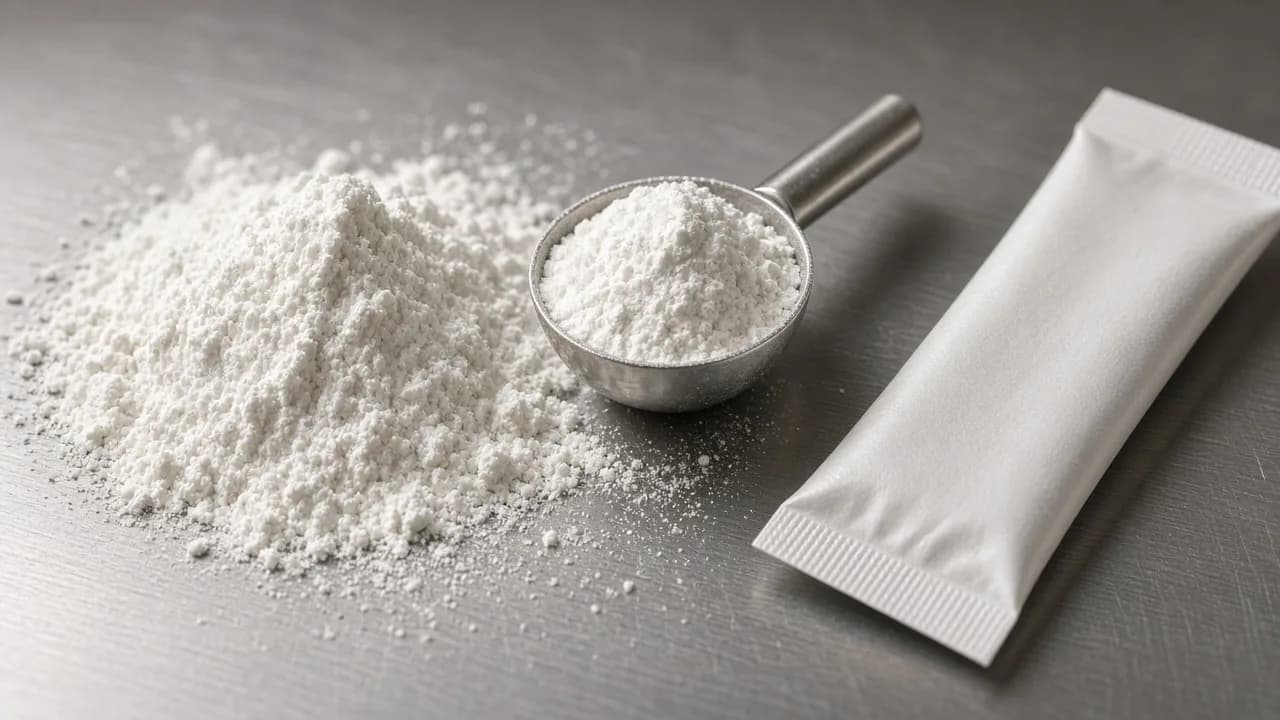
Athletes lose more sodium in sweat than any other electrolyte. In the finished drink, that same mineral sets the salt taste. It is what makes the product recognisable as sports hydration.
A higher level is for products that need it: a heavy sweat session, or a long bottle. A light daily drink stays lower. You choose the figure for that job. One table does not cover the gym, HYROX and a marathon.
Sodium and the other minerals
Potassium, magnesium and calcium still belong in many profiles. They complete the mineral mix and can steady the taste. Sodium is what usually separates a sports drink from water with a light mineral note.
Push every mineral to the maximum and taste usually fails before the label does. Set the sodium level first. Fit the other minerals around drinkability and what you can put on the pack.
Sweat loss varies. The dose stays specific.
Heat, duration, intensity and the person all change how much sodium leaves in sweat. That spread is too wide for one published figure. We do not hand out a single prescription.
In practice, you set a direction for the use and for the market you sell into. Lighter daily products sit lower. Drinks for heavy sessions usually sit higher. The exact milligrams are agreed in formulation, one project at a time.
When a higher sodium level fits
Buyers sometimes call this a high-sodium brief. It fits a product meant for heavy sweat, long sessions, or athletes who already expect a stronger electrolyte drink. That is a formulation and positioning choice. It is not a medical claim, and it is not the starting point for every hydration product.
Name that direction at the start. Sodium changes salt taste, how much flavour is needed to cover it, the serving size, and sometimes the water volume for a clean mix. A late change is expensive.
Taste
More sodium can make a drink taste more clearly like an electrolyte product. Over a long session it can also turn sharp, salty or tiring if the flavour was built for a lighter mix. Fruit profiles behave differently from cola or a neutral sports flavour. The concentration in the bottle matters as much as the milligrams on the label.
This is ordinary formulation work. Put sodium, flavour and the way the athlete drinks it in the same brief.
What the label should say
Some markets want the sodium number on the front. Others want plain hydration language, with a solid mineral profile on the back. The formula and the words still have to match. A high-sodium drink written as soft everyday wellbeing copy confuses the buyer.
If sodium is the main decision, say so at the start of the hydration brief. We can build the rest of the mineral profile, the flavour and the format around that level.
Related products
Related articles
Hydration & Electrolytes
Daily Hydration vs Performance Hydration
Daily hydration and performance hydration are different products. One is lighter and made for ordinary days. The other is made for long sessions or heavy sweating. No single dose covers both.
7 min
Hydration & Electrolytes
Electrolytes + Carbohydrates
Carbohydrates supply fuel. Electrolytes replace minerals. They can share a bottle if the brief says which job comes first.
7 min