
Knowledge Base/Hydration & Electrolytes
What are electrolytes?
Electrolytes are minerals such as sodium, potassium and magnesium. In a sports drink they help define what the product is made for. A daily hydration formula will usually look different from a product made for long endurance sessions or heavy sweating.
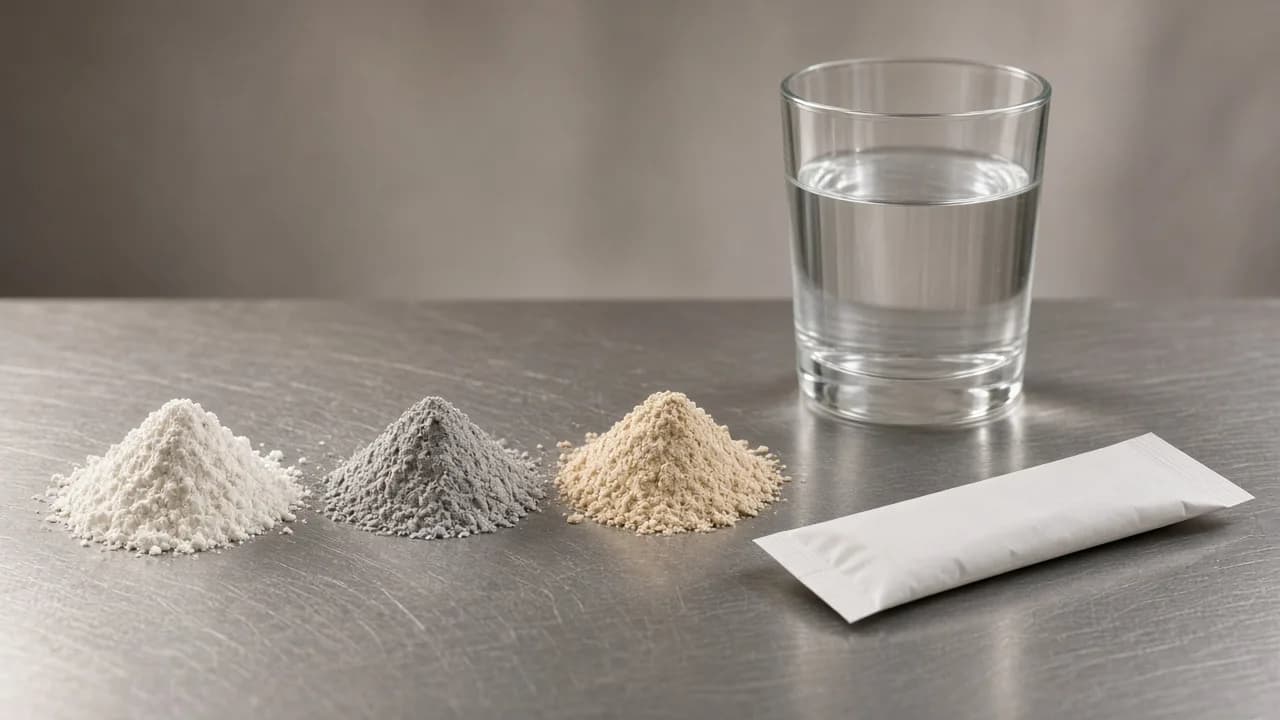
Electrolytes are minerals that dissolve in water and carry a charge. In a sports drink the usual set is sodium, potassium, magnesium, calcium and chloride. They are not carbohydrate, and they are not creatine.
The mix you choose says what the product is for. A daily drink usually stays lighter. A product for long sessions or heavy sweating usually carries more sodium and a higher mineral load. Taste, serving and pack follow that choice.
Minerals on the label
Sodium, potassium, magnesium and calcium are the ones you see most often. Chloride usually comes with the sodium. Zinc or another trace mineral only belongs if the product has a reason for it.
The useful question is not which mineral exists. It is which minerals the product stands on, and at what amount per serving. That decides the raw material, the taste and the wording on the label.
What they change in the drink
In the finished drink, electrolytes replace minerals lost in sweat. Sodium does most of that work. It changes how the drink replaces fluid, and how salty or light it tastes.
They do not replace carbohydrate as fuel. They are not a creatine product. If the brief also adds a lot of carbohydrate or other ingredients, say which job leads: hydration, or a combined product.
There is no single dose
No electrolyte dose fits every athlete or every product. Sticks for daily use are usually lighter. Formulas for heavy sweating usually raise sodium and the total mineral load. The right level depends on the use, the serving size, the flavour and what that market expects.
Name the situation first. Everyday use, a gym session, a long race, half-time in a team sport, or a stick for travel. After that, mineral amounts become concrete choices.
Taste and pack
More sodium tastes different from a light citrus mix for daily use. Magnesium can turn bitter. The serving has to dissolve in the amount of water people will actually drink. A stick fixes the dose. A tub leaves more room, and more chance of a wrong scoop.
The same amounts can go in a gym tub, a pouch or a single-serve stick. Order quantity, cost per unit and how you sell the product change with the pack. Decide that with the formula, not afterwards.
Where a brief goes wrong
Copying a competitor label milligram for milligram, without knowing who drinks it. Asking for every mineral high, then finding the drink harsh. Treating an electrolyte product as an endurance carbohydrate mix. Or listing minerals and never saying when it is drunk, or in how much water.
A tighter brief names the job, how people drink it, a sodium range if you already have one, and the pack.
Making the powder
When the use is clear, we make the powder to match: minerals, flavour, dose and pack. Set that in the Hydration Builder before a full production brief.
Related products
Related articles
Hydration & Electrolytes
Daily Hydration vs Performance Hydration
Daily hydration and performance hydration are different products. One is lighter and made for ordinary days. The other is made for long sessions or heavy sweating. No single dose covers both.
7 min
Hydration & Electrolytes
Why sodium matters in sports hydration
Athletes lose more sodium in sweat than the other electrolytes. In the drink, sodium also sets the salt taste. There is no single dose that fits every product.
6 min